E-Bikes in the UAE: Laws, Range & Buying Tips
Everything UAE riders need to know about e-bikes: local laws, where you can ride, real-world range in the heat, and how to choose the right model.
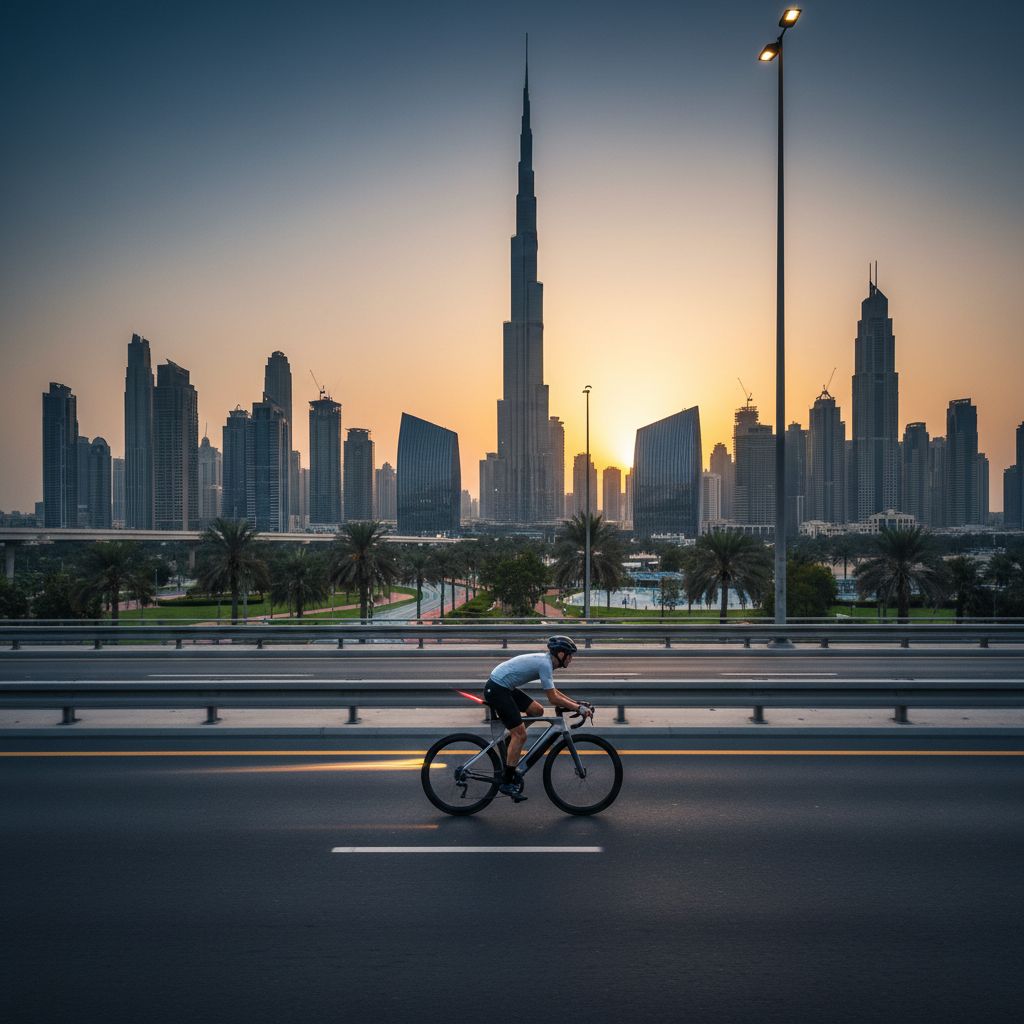
E-bikes in the UAE have shifted from novelty to serious transport, and for good reason. They flatten Dubai's long, hot commutes, make Abu Dhabi's spread-out neighbourhoods rideable, and let riders of every fitness level enjoy tracks like Al Qudra without arriving drenched. But before you buy, it pays to understand the local rules, how far a battery realistically goes in Gulf heat, and which features actually matter here. This guide covers the essentials so you can make a confident decision.
E-bikes in the UAE: the laws and where you can ride
Regulations around electric bikes have tightened as e-scooters and e-bikes have become more common. The core rules cyclists should know are practical: pedal-assist e-bikes (where the motor helps only while you pedal) are treated much like conventional bicycles, while throttle-only, high-speed machines fall into stricter categories. Speed limits, helmet use, reflective clothing at night and staying to dedicated tracks or the roadside all apply.
Rules differ slightly between emirates and are updated periodically, so always check the current position before buying a fast or powerful model. We keep a dedicated breakdown in our guide to e-bike laws and cycling rules in Dubai, which is a good starting point. In general, the safest and most legal choice for most residents is a pedal-assist commuter or hybrid e-bike limited to a sensible top speed.
- Wear a certified helmet, especially on shared roads.
- Use lights and reflective gear for early-morning and evening rides.
- Stick to cycle tracks and quieter roads where possible, not busy highways.
- Keep to designated e-bike categories to avoid fines.
How far will an e-bike really go in UAE heat?
Manufacturer range figures are measured in mild conditions on gentle terrain, so treat them as optimistic. In the UAE, three factors trim your real-world range: heat, headwinds along coastal roads, and how much assist you use. A battery quoted at 100 km might deliver 55 to 75 km in eco mode on flat tarmac, and considerably less if you ride in high assist or tackle the climbs around Hatta.
Battery capacity is measured in watt-hours (Wh). As a rough guide, a 500 Wh battery suits shorter commutes and loop rides, while 625 Wh and above is better for longer touring or e-MTB use. Heat also affects battery health over time, so storage and charging habits matter as much as capacity. Our detailed e-bike battery care guide for UAE heat explains how to protect range and lifespan, and our practical notes on e-bike battery maintenance cover day-to-day charging.
- Don't leave the battery in a parked car or in direct sun.
- Charge to around 80% for daily use and top up before longer rides.
- Let a hot battery cool before charging after a ride.
- Store partially charged, not empty, if the bike sits unused.
Choosing the right e-bike for your riding
Start with how you'll actually use the bike, not the spec sheet. A metro commuter has very different needs from a weekend trail rider, and the right category saves you money and frustration.
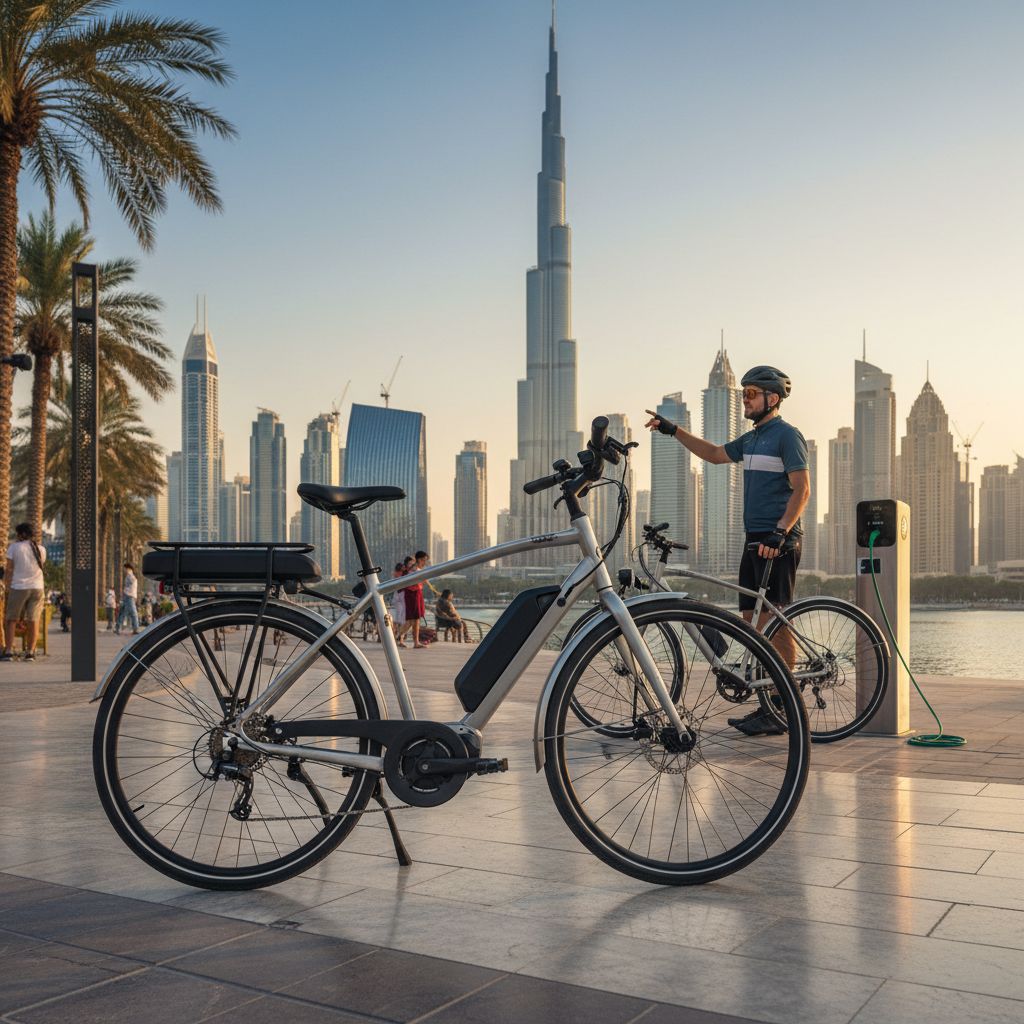
- Urban and commuting: Hybrid e-bikes with racks, mudguards and comfortable geometry are ideal for Dubai and Abu Dhabi commutes. If you combine cycling with public transport, a folding e-bike is worth considering, and our folding bikes for Dubai Metro commuters guide covers the trade-offs.
- Fitness and tracks: A pedal-assist road or hybrid model lets you ride further at Al Qudra or Nad Al Sheba while keeping the effort under control.
- Off-road: E-MTBs open up the trails around Hatta with extra climbing power, though they cost more and weigh more.
Motor position matters too. Mid-drive motors (mounted at the cranks) offer a natural feel and better balance, which suits hilly and mixed terrain. Hub motors are simpler and often cheaper, and are fine for flat urban riding. Frame fit is just as important on an e-bike as any other, so use our bike size and fit guide before committing.
Budget, running costs and value
E-bikes span a wide price range, and the cheapest models often cut corners on battery quality, brakes and after-sales support, which matters in a demanding climate. It's better to buy a reliable mid-range bike from a shop that can service it than a bargain machine with no support. For a grounded view of what to expect, see our breakdown of how much an e-bike costs in the UAE and our roundup of the best electric bikes in Dubai for 2026.
Running costs are low: charging a battery costs only a few dirhams, and maintenance is similar to a normal bike aside from the electronics. The biggest long-term expense is the battery itself, which is another reason to look after it.
Living with an e-bike in the desert
Sand and fine dust are hard on drivetrains and moving parts, so regular cleaning keeps everything running smoothly. Our advice on bike maintenance in a desert climate applies fully to e-bikes. Pair your bike with good lights, a lock and hydration gear from our essential accessories guide, and you'll be set for year-round riding, from cooler-season loops to careful early-morning summer commutes.
Buy the right category, protect the battery, and respect the rules of the road, and an e-bike becomes one of the most useful, enjoyable ways to get around the UAE.
Cycling Editor at WinRider Dubai
Lucas Bernard is WinRider's Cycling Editor and the voice behind most of the brand's long-form guides, comparison articles and buying advice. With a background in cycling journalism in Europe before relocating to the UAE, Lucas combines product expertise with a clear, practical writing style aimed at UAE riders. He works closely with WinRider's Dubai workshop team to make sure every recommendation is grounded in what's actually in stock, road-tested and supported locally with full warranty and after-sales service.
View all articles by Lucas →You Might Also Like

Frequently Asked Questions
Everything you need to know before buying