Hydration & Nutrition for Long Rides in the Gulf Heat
Beat the Gulf heat with a smart hydration and nutrition plan for long rides in the UAE: fluid targets, electrolytes, fuelling and ride-day timing.
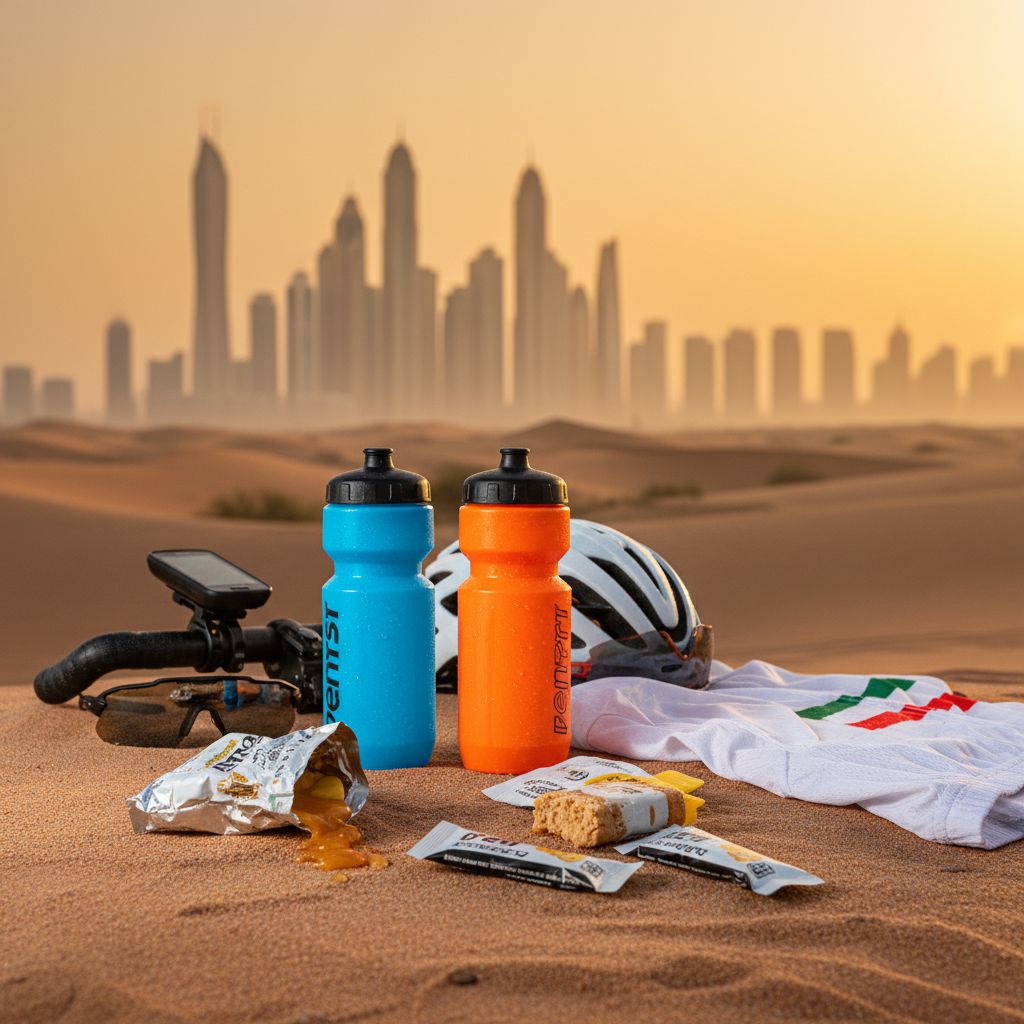
Getting your hydration and nutrition for long rides right is the single biggest performance factor in the UAE. Our heat and low humidity (and sometimes very high humidity near the coast) mean you sweat hard, lose salt fast, and can fade long before your legs are tired. Whether you're tackling a full loop at Al Qudra or a cooler session at Nad Al Sheba, a clear fuelling plan keeps you safe, strong and enjoying the ride.
Why the Gulf heat changes everything
In Dubai and Abu Dhabi, even early-morning rides can start above 30°C, and summer dawns can push past 38°C with brutal radiant heat off the tarmac. Two things happen fast: you lose a lot of fluid through sweat, and you lose sodium with it. Drink only plain water and you risk diluting your blood sodium, which causes cramps, nausea and that heavy, foggy feeling. The goal is to replace fluid and electrolytes at a rate that roughly matches your losses.
Before you even think about bottles, get your ride timing and clothing right. Riding at first light or after dark, as covered in our summer heat riding guide, dramatically lowers your fluid demand. Breathable kit from our cycling clothing guide helps sweat evaporate instead of pooling.
How much to drink on a long UAE ride
There's no single number, because sweat rates vary by rider, pace and conditions. But useful UAE-specific starting points are:
- 500–750 ml per hour as a baseline for moderate effort in the cooler months.
- 750 ml–1 litre+ per hour in real summer heat or on hard efforts.
- Pre-hydrate the night before and again 60–90 minutes pre-ride with around 500 ml.
The simplest self-check: weigh yourself before and after a ride. Each kilo lost is roughly a litre of fluid you didn't replace, so aim to lose almost nothing on hot rides. Dark urine and a dry mouth mean you're already behind.
Electrolytes: the part most riders get wrong
Plain water alone is not enough for long Gulf rides. Sodium is the key electrolyte you lose in sweat, alongside smaller amounts of potassium, magnesium and chloride. Use an electrolyte tablet or hydration mix in at least one of your bottles, targeting roughly 500–1000 mg of sodium per litre depending on how salty your sweat is (white salt marks on your kit and helmet straps mean you're a salty sweater and need more).
A practical setup for a long ride is one bottle of electrolyte mix and one bottle of plain water, alternating sips. On rides over two to three hours in heat, run electrolytes in both bottles. Carry an extra tablet sachet for refills at Al Qudra or Mushrif Park taps.
Fuelling: carbs keep the engine running
Hydration handles overheating; carbohydrate handles power. Your body can only store enough glycogen for roughly 60–90 minutes of hard riding, so on anything longer you need to eat. A realistic target is 30–60 g of carbohydrate per hour, scaling up to 60–90 g per hour on long, intense rides if your gut tolerates it.
Good options for UAE conditions:
- Gels and chews — compact, fast, easy in heat, but always chase with water.
- Bananas and dates — dates are perfect here: cheap, local, energy-dense and they travel well in a jersey pocket.
- Rice cakes or small sandwiches — better for steadier endurance days.
- Carb drink mix — useful if solid food feels unappealing when it's hot.
Start fuelling early — within the first 30–45 minutes — rather than waiting until you feel empty. In the heat your stomach empties more slowly, so small, frequent intakes beat large amounts at once.
A simple ride-day plan
- Night before: normal balanced dinner, extra fluids, lightly salt your food.
- 90 minutes before: easy-to-digest carbs (toast, oats, dates) plus 400–500 ml fluid.
- On the bike: 500 ml–1 L per hour, 30–60 g carbs per hour, electrolytes throughout.
- Last 30 minutes: keep sipping; don't switch off because the end is near.
- After: rehydrate with electrolytes, eat protein plus carbs within an hour.
Carrying it all in the desert
Two large bottle cages are the minimum for UAE summer; many riders add a third on the down tube or a frame/saddle bag for a backup soft flask. On remote desert and gravel routes — see our best gravel routes guide — carry more than you think you need, plus extra electrolyte sachets, since taps and shops can be far apart. The right cycling accessories, including insulated bottles that keep drinks cool longer, make a real difference when it's 40°C.
Finally, listen to your body. Dizziness, goosebumps in the heat, stopped sweating, or sudden cramps are warning signs to stop, get into shade, and drink electrolytes immediately. A well-fuelled rider is also a safer one — pair this plan with good route choice and our wider complete Dubai cycling guide to ride long and strong all year.
Cycling Editor at WinRider Dubai
Lucas Bernard is WinRider's Cycling Editor and the voice behind most of the brand's long-form guides, comparison articles and buying advice. With a background in cycling journalism in Europe before relocating to the UAE, Lucas combines product expertise with a clear, practical writing style aimed at UAE riders. He works closely with WinRider's Dubai workshop team to make sure every recommendation is grounded in what's actually in stock, road-tested and supported locally with full warranty and after-sales service.
View all articles by Lucas →You Might Also Like
Frequently Asked Questions
Everything you need to know before buying