AE #1 ONLINE BIKE SHOP IN UAE
Cycling Tracks in Dubai: 8 Best Routes (2026)
Cycling track in Dubai guide for 2026: 8 key routes, planning tips, safety etiquette, and bike picks for Al Qudra, Nad Al Sheba and more.
Featured Bikes
| Bike | Type | Best for | Price (AED) |
|---|---|---|---|
| SUNN Venture S2 | Gravel / all-road | Mixed surfaces, endurance days, flexibility across routes | 8369 |
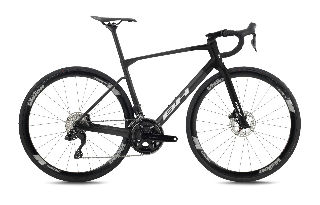
| 3T Strada Rival AXS | Road | Fast tarmac loops and steady pacing on long, flat sections | 17200 |
Cycling track in Dubai: how to choose the right route in 2026
There is no single “best” cycling track in Dubai, because each route solves a different problem. If you want predictability—consistent surface, clear direction of travel, and minimal interaction with motor traffic—then dedicated cycling facilities are the easiest place to build routine. If you want long uninterrupted distance with a steady rhythm, desert-facing routes are often the most satisfying, but they demand more preparation.
Start by deciding what matters most: safety, distance, or convenience. For many riders, convenience means a short drive from Dubai Marina or nearby areas, with easy parking and a straightforward loop. For others, the priority is training structure: calm, repeatable conditions that support intervals, endurance pace, or skills work such as cornering and group riding.
Surface matters too. A road-focused bike suits smooth tarmac and structured efforts, while an all-road or gravel-ready setup gives you more freedom if you link sections or ride mixed-quality edges. If you are browsing bikes for varied UAE riding, the gravel bikes category is a practical starting point for do-it-all versatility. WinRider is 100% online, so you can compare models in our online catalog and have your choice delivered to your door anywhere in the UAE.
Route 1: Al Qudra — Dubai’s iconic desert loop
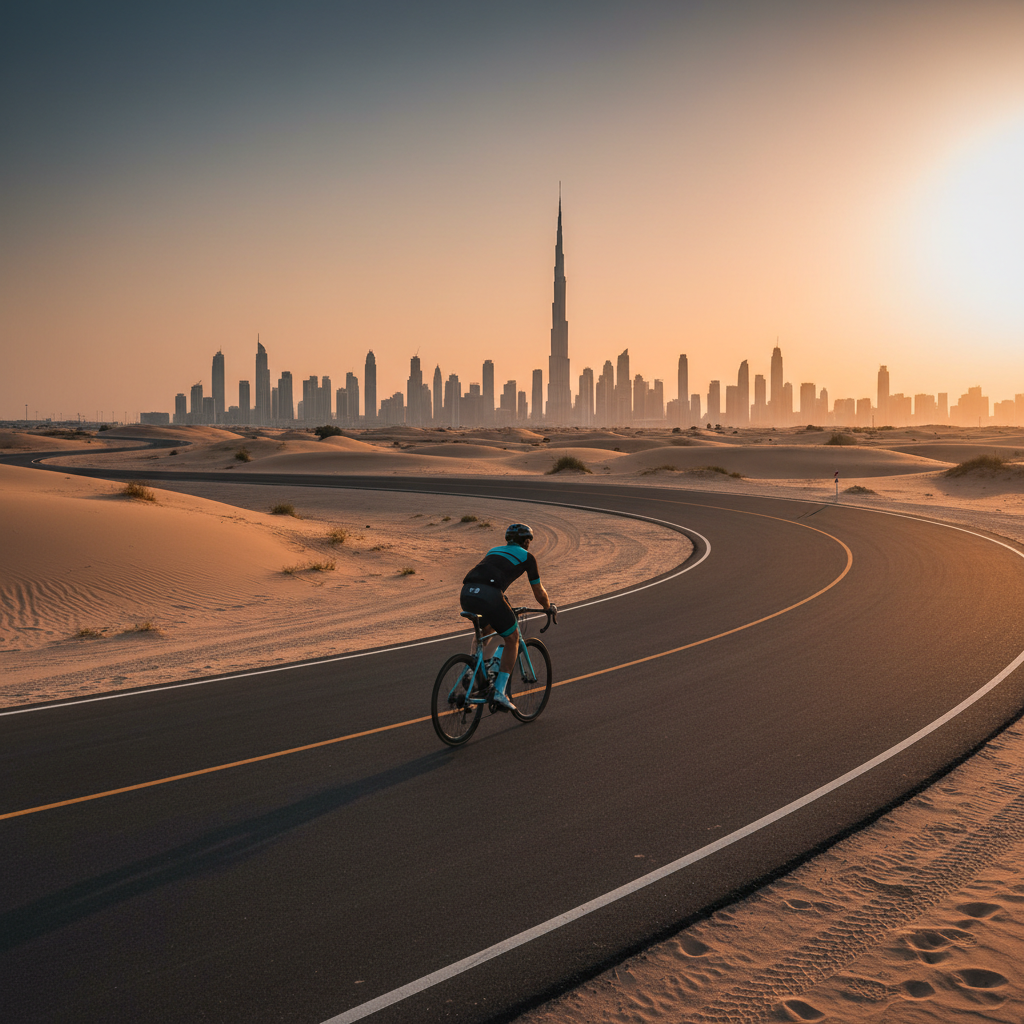
Al Qudra is the route most visitors associate with a cycling track in Dubai: open desert views, long straight sections, and a strong group-riding culture early in the morning. Conditions can change quickly with wind, so planning your start time is part of the route. In calm air it can feel effortless; with a headwind it becomes a lesson in pacing and drafting.
Because Al Qudra is exposed, treat it like an endurance outing. Carry enough water for the whole ride and plan your stops rather than assuming you can refill anywhere. A small toolkit and a reliable pump/CO₂ are also worth having. If you are new to desert riding, start with a shorter out-and-back and build up as you learn where the wind typically affects you.
Etiquette is a real safety feature here. Hold your line, avoid sudden braking, and call out hazards. If you are riding in a group, communicate clearly and keep the pace appropriate for the least experienced rider. For a detailed breakdown of how to plan this ride, see our dedicated guide: Al Qudra Cycling Track — complete guide (2026).
Route 2: Nad Al Sheba Cycle Park — structured laps for training
Nad Al Sheba Cycle Park is often the easiest “plug-and-play” cycling track in Dubai for consistent training: you arrive, warm up, and ride laps with minimal variables. That makes it popular for interval sessions and steady tempo rides, and it is also beginner-friendly if you are still developing confidence with turns, speed control, and riding in proximity to others.
The key to enjoying Nad Al Sheba is choosing the right time. Peak hours can be busy, and while the atmosphere is generally positive, density increases the need for discipline: ride predictably, avoid weaving, and pass with space. If you ride with friends, decide whether you are doing a social chat pace or a training pace—mixing the two is when riders tend to drift and create risk.
Because the laps are repeatable, it is ideal for checking your setup. Tyre pressure, saddle position, and nutrition timing become easy to monitor. If you want a route-by-route walkthrough and practical tips, read: Nad Al Sheba Cycle Park — complete guide (2026). WinRider riders use Nad Al Sheba regularly for testing training blocks because it reduces external variables and makes effort comparison simpler.
Route 3: Mushrif Park area — urban access with a calmer feel
If you want a cycling track in Dubai that feels less exposed than the desert and less intense than peak-hour training hubs, routes around Mushrif Park can be a practical middle ground. The riding here can suit steady endurance spins, skills practice, or a recovery ride when you want to stay closer to built-up areas.
What matters most is awareness at transitions. Urban-adjacent riding can involve more junctions, more variation in surface quality, and more mixed users. That is not a reason to avoid it; it is simply a reason to ride with a slightly different mindset. Keep your speed appropriate for what you can see, and leave margin for unexpected movements from other path users.
Consider this option if you are building confidence before tackling long, exposed routes. It also works well for riders who have limited time and do not want a long drive. If you are riding after sunset, prioritise visibility and assume you need to be seen from multiple angles. Planning and predictability remain the best safety tools.
Route 4: Dubai Marina and Jumeirah coastal links — scenic but stop-start
Dubai Marina and the Jumeirah coastline can be enjoyable for shorter rides with views, café stops, and social pacing, but they are not typically the best place for uninterrupted training. If your goal is a continuous effort, the frequent crossings and variable congestion can break rhythm. If your goal is simply to ride consistently and enjoy the city, it can be a rewarding choice.
Think of this as “city riding”: you will need to anticipate pedestrians, shared-path users, and variable conditions. Choose quieter hours where possible. When you do need to stop, brake smoothly and signal early so anyone behind you is not surprised. A calm approach helps everyone share the space.
For bike choice, comfort and control matter as much as speed. Slightly wider tyres (where compatible with your setup) can make rougher edges and transitions feel more stable. If your riding is split between city routes and longer open-road days, an all-road approach can make sense—browse options in the gravel bikes category as a flexible baseline.
Route 5: Meydan area and surrounding loops — steady efforts close to central Dubai
The Meydan area is popular for riders who want an accessible cycling track in Dubai without committing to a long drive. Depending on your exact start point, you can stitch together loops that suit endurance pace or short structured intervals, while staying relatively close to central areas.
The practical advantage is time efficiency. You can fit a quality ride into a tighter schedule, which is often the difference between riding regularly and riding occasionally. The key is to map your route in advance so you do not end up stopping repeatedly. Look for stretches where you can ride predictably and avoid tight pinch points during busier times.
As with any area close to major roads and venues, ride defensively at crossings and be mindful of changing traffic patterns. If you are riding with a group, keep the formation compact and controlled through complex sections. Consistency is what makes these loops useful: when you repeat them, you learn where you can safely push effort and where you should back off.
Route 6: Al Khawaneej and the outer neighbourhood roads — quieter long-ish spins
Al Khawaneej and the outer neighbourhood roads can suit riders who want a longer spin with a calmer feel than dense central routes. It is not a single defined cycling track in Dubai in the same way as a dedicated park, but it is a commonly used area to string together distance while avoiding the most congested corridors.
The trade-off is that you need more navigation awareness. Plan your turns, and avoid relying on improvisation if you are aiming for a steady training session. This is also a good place to practise smooth pacing: long, moderate efforts where you keep power or perceived exertion steady rather than surging.
Because you are not on a closed circuit, visibility and predictability become even more important. Ride as if drivers do not expect you—because often they do not. Use hand signals, keep a consistent line, and avoid sudden changes in position. If you want a bike that can tolerate imperfect surfaces and occasional debris at the road edge, a gravel/all-road setup such as the SUNN Venture S2 can be a pragmatic choice for UAE mixed-route riding (8369 AED).
Route 7: Hatta — cooler-air rides and rolling terrain (seasonal planning)
Hatta is a different experience: terrain, scenery, and—at certain times of year—a more comfortable feel than lowland routes. For riders looking to expand beyond a typical cycling track in Dubai, it can be a rewarding day trip, especially if you enjoy rolling gradients and a change of rhythm.
Because it is a destination ride, planning matters more. Check your bike before you travel, carry spares, and assume you may not have immediate support. Descents and turns require focus, and weather can feel different than in central Dubai. If you are going with a group, agree on regroup points and keep the pace sensible.
Hatta also highlights the value of the right gearing and braking confidence, especially if you are used to flat loops. You do not need a “special” bike, but you do need a bike in good condition and a rider willing to manage speed responsibly. If you prefer pure tarmac speed on smoother sections, a road bike like the 3T Strada Rival AXS is designed for road efficiency (17200 AED).
Route 8: Jebel Jais — long climbing day outside Dubai
Jebel Jais is not inside Dubai, but it is one of the most talked-about rides for UAE cyclists who want sustained climbing. If your goal is to complement your regular cycling track in Dubai routine with a “big day” challenge, Jebel Jais is often the reference point. The experience is more about patience and pacing than bursts of speed.
This is a route where preparation is not optional. Start with a well-maintained bike, carry sufficient hydration and spares, and plan conservatively. Long climbs reward steady effort, and long descents demand discipline. Ride within your limits, especially if you are not used to extended descending. If you are going as part of a group, talk through regroup points and safety expectations before you roll.
Jebel Jais also influences equipment choices: tyres in good condition, reliable braking, and a comfortable position matter. You do not need to chase ultra-lightweight parts to enjoy it; you need a setup that you trust. If you are building a stable all-year UAE riding plan, mixing a consistent Dubai routine with occasional mountain rides can keep motivation high and skill progression steady.
Cycling track in Dubai: safety, etiquette, and RTA Dubai expectations
Whatever route you choose, safety comes from predictability. Hold a straight line, look before you move laterally, and communicate. On any cycling track in Dubai that attracts groups—especially Al Qudra and Nad Al Sheba—sudden changes in speed or direction are the most common cause of close calls.
Follow posted guidance and local rules where applicable. RTA Dubai signage and facility instructions exist for a reason, and they also help different user groups share the space. Keep left/right according to the facility’s rules, pass with space, and avoid stopping in the riding line. If you need to adjust something, move fully off the path first.
Heat management is not about performance claims; it is about simple risk reduction. Ride at sensible hours, carry enough water, and treat route planning as part of the ride. If you are unsure, choose a more controlled environment such as Nad Al Sheba for your first few outings. WinRider’s online catalog is useful for essentials you can keep ready—lights, bottles, and spares—so you are not improvising at the last minute, with delivery to your door anywhere in the UAE.
Cycling Editor at WinRider Dubai
Lucas Bernard is WinRider's Cycling Editor and the voice behind most of the brand's long-form guides, comparison articles and buying advice. With a background in cycling journalism in Europe before relocating to the UAE, Lucas combines product expertise with a clear, practical writing style aimed at UAE riders. He works closely with WinRider's Dubai workshop team to make sure every recommendation is grounded in what's actually in stock, road-tested and supported locally with full warranty and after-sales service.
View all articles by Lucas →You Might Also Like
Frequently Asked Questions
Everything you need to know before buying